

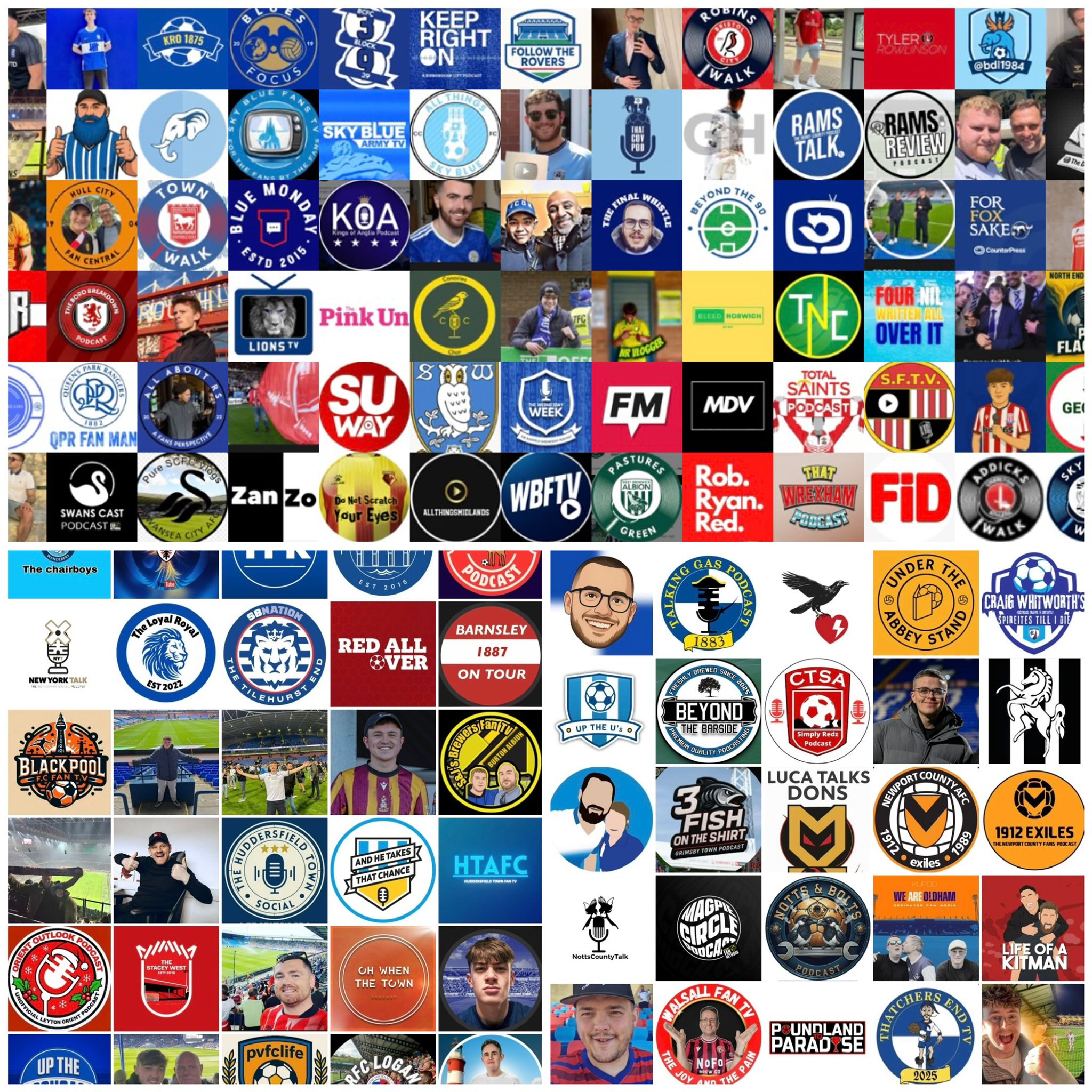
Football media has entered a period of fragmentation, but this is not a sign of decline. It is evidence of maturity. As audiences move away from one-size-fits-all coverage, a new generation of creators is building highly focused communities around specific aspects of the game. From tactical analysis and youth development tracking to away-day culture and club heritage storytelling, niche football creators are attracting loyal followings by serving defined interests with depth and authenticity.
This shift reflects a broader change in how supporters consume content. Reach is no longer the only measure of influence. Engagement, trust and relevance now carry equal weight. For many fans, the most valued voices are not necessarily those with the largest platforms, but those who consistently speak to their specific passions and perspectives.
The move from mass audience to meaningful audience
Traditional football media was built on scale. Broadcasters and publishers aimed to attract the widest possible audience, often prioritising general narratives that would appeal to a broad base of supporters. While this model still exists, digital platforms have reshaped how content is discovered and valued.
Algorithms increasingly reward interaction rather than passive consumption. Creators who foster conversation, encourage debate and build a sense of belonging often outperform larger accounts with less engaged audiences. A smaller community that returns regularly, comments thoughtfully and shares content organically can generate more long-term value than a large but disengaged following.
For niche creators, this environment is particularly favourable. By focusing on a clearly defined subject area, they attract supporters who are actively seeking that content. This results in stronger loyalty and a higher level of trust, which in turn encourages ongoing participation.
The diversity of niche football creators
The growth of micro-communities is closely linked to the expanding variety of football content available online. Tactical analysts represent one of the most prominent examples. These creators breakdown formations, player roles and in-game adjustments, offering insights that go beyond headline commentary. Their audiences often consist of highly engaged supporters who value education and detail.
Away-day vloggers form another distinct niche. Their focus is less on tactics and more on experience. Travel, stadium atmosphere and supporter culture take centre stage, allowing viewers to feel part of the journey even when they cannot attend matches themselves. These creators capture the emotional and social dimensions of football, strengthening connections between fans.
There is also growing interest in youth development and academy coverage. Supporters increasingly want to understand long-term squad planning and emerging talent. Creators who specialise in this area often attract audiences who appreciate forward-looking analysis and deeper engagement with club strategy.
Club history and heritage storytelling represents another significant niche. By revisiting iconic matches, legendary players and defining moments, these creators connect different generations of supporters. Nostalgia plays a powerful role in football culture, and content that celebrates a club’s identity often generates strong emotional engagement.
Women’s football coverage has also produced its own specialist creators. As interest in the women’s game continues to expand, audiences are seeking dedicated voices that provide consistent and informed coverage. These communities are growing rapidly and demonstrate how underrepresented areas of the sport can support their own media ecosystems.
Why micro-communities create stronger loyalty
Micro-communities thrive because they offer supporters a sense of belonging. Shared interests form the foundation of these groups, allowing members to feel understood and valued. Comment sections often evolve into discussion spaces where fans exchange ideas rather than simply reacting to content.
Creators who engage directly with their audiences play a crucial role in strengthening these bonds. Responses to comments, acknowledgement of supporter perspectives and openness to dialogue all contribute to a more personal connection. This interaction encourages repeat engagement and helps maintain community culture.
Trust is another key factor. Niche creators typically build their reputations through consistency and transparency. Audiences recognise that these voices are motivated by passion rather than obligation, which enhances credibility. Over time, this trust becomes the defining characteristic of successful micro-communities.
The impact on clubs and the wider football ecosystem
The rise of niche creators presents both opportunities and challenges for clubs. Communication strategies that once relied on broad messaging must now adapt to a more segmented audience. Supporters expect content that reflects their specific interests and perspectives.
Niche creators provide clubs with access to targeted supporter segments that might otherwise be difficult to reach. Collaborations with these voices can produce more authentic storytelling and encourage deeper engagement. When creators maintain editorial independence, partnerships often feel more credible to audiences.
Micro-communities can also act as early indicators of broader trends. Discussions within these groups frequently highlight emerging concerns, preferences or ideas before they reach mainstream media. Clubs that monitor these conversations gain valuable insights into supporter sentiment.
Sustainability and the future of niche creators
While audience loyalty offers many advantages, niche creators often face challenges in maintaining financial sustainability. Monetisation models are evolving, with many turning to community-supported platforms, sponsorship arrangements or merchandise sales. Brands are increasingly recognising the value of authenticity and engagement over raw audience size.
The long-term success of niche creators depends on maintaining trust. Audiences are quick to recognise content that feels disconnected from a creator’s original purpose. Balancing commercial opportunities with community expectations requires careful consideration.
Looking ahead, niche football creators are likely to play an increasingly important role in shaping how supporters experience the game. As digital platforms continue to evolve, the demand for specialised content will grow. Micro-communities will remain central to this landscape, providing spaces where fans can explore their interests in greater depth.
For platforms that seek to support football creators, recognising the diversity and value of these communities is essential. The future of football media lies not in consolidation but in collaboration across a wide range of voices and perspectives. Niche creators are demonstrating that influence is built through relevance, authenticity and connection, rather than scale alone.
Football has always been defined by its supporters. The difference today is that supporters have the tools to create, share and shape narratives within their own communities. As these micro-communities continue to develop, they will remain a vital part of the sport’s evolving media ecosystem.